Master the Art of Driving
Experience the Most Realistic Mobile Driving Simulator
Dr Driving APK brings you an unparalleled driving experience with stunning graphics, realistic physics, and challenging missions. Whether you’re a beginner or a seasoned driver, test your skills on various roads and become the ultimate driving champion.
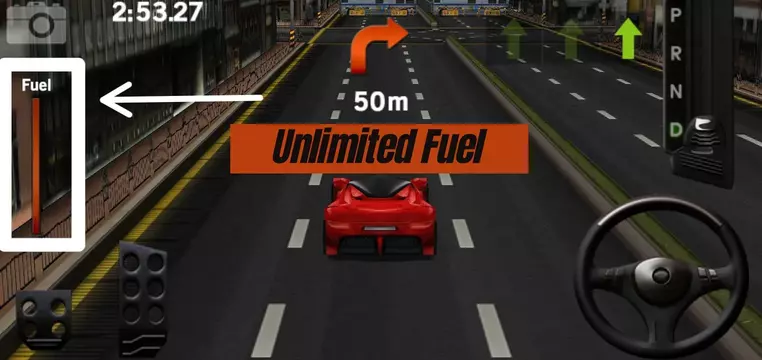
Exceptional Features
Discover what makes Dr Driving the ultimate mobile driving simulator with cutting-edge features designed for maximum enjoyment
Realistic Driving Physics
Experience authentic driving mechanics with accurate vehicle handling, braking systems, and acceleration that mirror real-world driving conditions. Every turn, drift, and maneuver feels incredibly lifelike.
Stunning HD Graphics
Immerse yourself in beautifully rendered 3D environments with detailed cityscapes, realistic weather effects, and dynamic lighting that brings the driving experience to life on your mobile device.
Multiple Game Modes
Choose from various exciting game modes including career mode, time trial, multiplayer challenges, and free drive. Each mode offers unique objectives and rewards to keep you engaged for hours.
Extensive Car Collection
Unlock and drive a wide variety of vehicles ranging from compact city cars to luxury sedans and powerful sports cars. Each vehicle features unique handling characteristics and performance attributes.
Diverse Environments
Navigate through busy city streets, peaceful countryside roads, challenging mountain passes, and highway systems. Each environment presents unique driving challenges and scenic beauty.
Multiplayer Competition
Compete against players worldwide in real-time multiplayer races. Challenge your friends, climb the global leaderboards, and prove you’re the best driver on the planet.
Customization Options
Personalize your vehicles with custom paint jobs, decals, performance upgrades, and modifications. Create a car that reflects your unique style and preferences.
Challenging Missions
Complete over 50 unique missions that test different aspects of your driving skills including parking, navigation, time management, and precision driving under various conditions.
Optimized Performance
Enjoy smooth gameplay with optimized performance across a wide range of Android devices. The game runs efficiently without compromising on visual quality or gameplay experience.
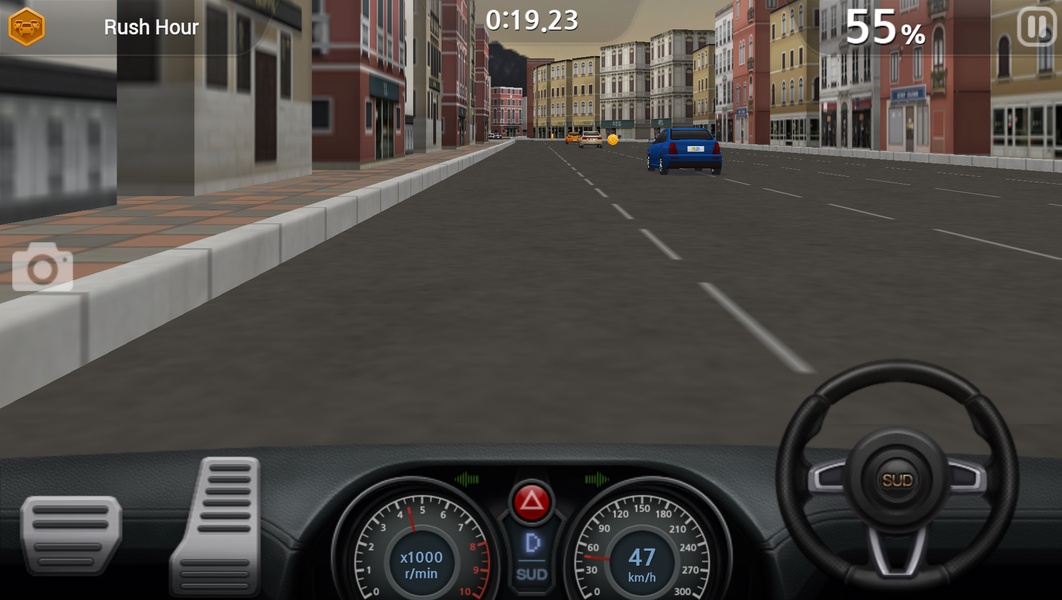
Game Screenshots
Take a peek at the stunning visuals and engaging gameplay that await you
Welcome to Dr Driving APK – The Ultimate Mobile Driving Experience
Dr Driving APK has revolutionized mobile gaming by delivering an incredibly realistic and immersive driving simulation experience directly to your Android device. Since its initial release, this phenomenal game has captured the hearts of millions of players worldwide, accumulating over 100 million downloads and maintaining an impressive 4.5-star rating across various app stores. The game’s success stems from its perfect blend of realistic physics, stunning graphics, engaging gameplay, and accessibility across a wide range of Android devices.
What sets Dr Driving apart from countless other driving games available on the market is its unwavering commitment to realism without sacrificing fun and entertainment. The developers have meticulously crafted every aspect of the driving experience, from the way vehicles respond to steering input to how they behave under different weather conditions and road surfaces. This attention to detail creates an authentic driving simulation that serves both as an entertaining game and a valuable tool for those learning to drive or improving their driving skills in a risk-free virtual environment.
Unparalleled Gameplay Features and Mechanics
Realistic Driving Physics Engine
At the core of Dr Driving’s exceptional gameplay lies its sophisticated physics engine that accurately simulates real-world driving dynamics. The game calculates vehicle weight distribution, momentum, friction coefficients, and countless other physical parameters to deliver an authentic driving experience. When you accelerate, brake, or turn, the vehicle responds exactly as it would in reality, taking into account factors like speed, road conditions, vehicle type, and driver input. This realistic physics implementation means that mastering the game requires developing genuine driving skills, including proper timing, spatial awareness, and vehicle control.
Comprehensive Mission System
Dr Driving offers an extensive mission system featuring over 50 unique challenges that test various aspects of your driving abilities. These missions range from simple parking exercises perfect for beginners to complex multi-stage challenges that will test even experienced players. Some missions focus on precision driving, requiring you to navigate tight spaces and park perfectly within designated areas. Others emphasize speed and time management, challenging you to reach destinations within strict time limits while obeying traffic rules. Advanced missions combine multiple skills, requiring you to demonstrate mastery over vehicle control, traffic navigation, and strategic planning.
Diverse Vehicle Collection
The game features an impressive roster of vehicles, each with unique handling characteristics, performance attributes, and visual designs. From compact economy cars perfect for city driving to powerful sports cars built for speed, and from family sedans to luxury vehicles, Dr Driving offers something for every type of driver. Each vehicle has been carefully modeled to reflect its real-world counterpart’s performance characteristics, including acceleration rates, top speeds, handling dynamics, and braking capabilities. As you progress through the game and complete missions, you unlock access to more advanced and exotic vehicles, providing constant motivation to improve your skills and tackle new challenges.
Multiple Game Modes for Endless Entertainment
Dr Driving keeps players engaged through its variety of game modes, each offering unique gameplay experiences and challenges. Career mode provides a structured progression system where you advance through increasingly difficult missions and unlock new content. Time trial mode tests your ability to complete courses as quickly as possible, encouraging you to perfect your racing lines and minimize mistakes. Multiplayer mode allows you to compete against real players from around the world in exciting head-to-head races. Free drive mode offers a relaxing experience where you can cruise through the game’s beautifully designed environments without time pressure or mission objectives, perfect for practicing new skills or simply enjoying the scenery.
Visual Excellence and Environmental Design
High-Definition Graphics and Visual Effects
Dr Driving showcases impressive high-definition graphics that push the boundaries of what’s possible on mobile devices. The game features detailed 3D vehicle models with realistic textures, reflections, and animations. Environmental elements like buildings, roads, trees, and landmarks are rendered with exceptional detail, creating believable and immersive cityscapes. Dynamic lighting effects simulate different times of day, casting realistic shadows and creating atmospheric conditions that enhance the visual experience. Weather effects including rain, fog, and varying visibility conditions not only look spectacular but also impact driving dynamics, adding another layer of realism and challenge to the gameplay.
Varied and Detailed Environments
The game transports players through diverse environments, each presenting unique driving challenges and visual aesthetics. Urban environments feature busy city streets filled with traffic, pedestrians, traffic lights, and complex intersections that require careful navigation and adherence to traffic rules. Countryside settings offer peaceful roads winding through scenic landscapes, providing a more relaxed driving experience with different challenges like narrow roads and sharp curves. Highway sections test your high-speed driving abilities with multiple lanes, heavy traffic, and the need for strategic lane changes and overtaking maneuvers. Mountain roads present perhaps the most challenging terrain with steep inclines, tight hairpin turns, and spectacular views that reward skillful driving.
Technical Specifications and Requirements
System Requirements and Compatibility
Dr Driving APK has been optimized to run smoothly across a wide range of Android devices, making it accessible to millions of players regardless of their device specifications. The game requires Android version 4.4 or higher, ensuring compatibility with both older and newer devices. Minimum requirements include 1GB of RAM and approximately 150MB of free storage space for installation. However, for the best experience with all graphical features enabled, devices with 2GB or more RAM and modern processors are recommended. The game automatically adjusts graphics settings based on device capabilities, ensuring smooth performance whether you’re playing on a budget smartphone or a flagship device.
Installation Process and Setup
Installing Dr Driving APK is a straightforward process that takes just a few minutes. First, ensure your device allows installation from unknown sources by navigating to Settings > Security and enabling the option. Download the APK file from a trusted source, then locate it in your device’s download folder. Tap the file to begin installation and follow the on-screen prompts. Once installed, launch the game and complete the initial setup, which includes granting necessary permissions and downloading additional game data. The first launch may take slightly longer as the game optimizes settings for your specific device, but subsequent launches will be much faster.
Multiplayer Features and Social Integration
Real-Time Multiplayer Racing
The multiplayer component of Dr Driving adds an exciting competitive dimension to the game. Players can challenge opponents from around the world in real-time races, testing their skills against human competitors rather than AI. The matchmaking system pairs you with players of similar skill levels, ensuring fair and competitive races. Multiplayer races feature various formats including head-to-head duels, tournament-style competitions, and time-limited events with special rewards. Success in multiplayer mode depends not just on driving skill but also on strategic thinking, as you must anticipate your opponent’s moves and find the optimal racing line while managing traffic and obstacles.
Leaderboards and Achievements
Dr Driving includes comprehensive leaderboard systems that track player performance across various metrics. Global leaderboards show how you rank against all players worldwide in categories like fastest times, highest scores, and most missions completed. Regional leaderboards let you compete specifically against players in your area or country. The achievement system rewards players for reaching specific milestones, completing challenging objectives, and demonstrating mastery in various aspects of the game. These achievements not only provide additional goals to pursue but also unlock exclusive rewards including special vehicles, customization options, and in-game currency.
Tips and Strategies for Success
Mastering Basic Driving Techniques
Success in Dr Driving begins with mastering fundamental driving techniques. Start by familiarizing yourself with your vehicle’s handling characteristics in free drive mode before attempting challenging missions. Practice smooth acceleration and braking rather than sudden movements, which can destabilize your vehicle. Learn to anticipate traffic patterns and plan your route accordingly. When parking, approach the space slowly and use small adjustments rather than large steering inputs. Master the art of looking ahead rather than focusing solely on your immediate surroundings, as this allows you to react earlier to upcoming obstacles and opportunities.
Advanced Techniques and Mission Strategies
As you progress to more difficult missions, you’ll need to employ advanced techniques. Learn to use engine braking by releasing the accelerator before applying brakes, which provides better control and reduces stopping distances. Practice precision steering by making small, controlled movements rather than jerky corrections. In time-limited missions, identify opportunities to save time through optimal routing and efficient lane changes while maintaining safety. For parking missions, take your time to position correctly rather than rushing, as penalties for hitting obstacles often cost more time than careful maneuvering. Study successful players’ techniques through replays and incorporate their strategies into your own gameplay.
Regular Updates and Future Development
The development team behind Dr Driving demonstrates strong commitment to the game’s ongoing improvement and expansion through regular updates. These updates frequently introduce new vehicles, missions, environments, and gameplay features based on player feedback and evolving gaming trends. Bug fixes and performance optimizations ensure the game runs smoothly on new device models and operating system versions. Seasonal events and limited-time challenges keep the content fresh and provide returning players with new reasons to engage with the game. The developers actively communicate with the community through social media and in-game announcements, creating a sense of ongoing dialogue and shared investment in the game’s future.
Why Choose Dr Driving APK?
Dr Driving APK stands as the premier choice for mobile driving enthusiasts for numerous compelling reasons. Its perfect balance of realism and accessibility makes it appealing to both casual players and serious driving simulation fans. The game requires no internet connection for single-player modes, allowing you to enjoy it anywhere, anytime. Unlike many mobile games, Dr Driving respects players’ time and money with fair progression systems and optional rather than mandatory in-app purchases. The active player community, regular updates, and responsive developer support ensure the game remains relevant and engaging long after initial release. Whether you’re looking to improve your real-world driving skills, enjoy a realistic simulation, or simply have fun with an engaging mobile game, Dr Driving delivers an unmatched experience that continues to set the standard for mobile driving games.
Ready to Start Your Driving Journey?
Download Dr Driving APK now and experience the most realistic mobile driving simulator available
File Size
148 MB
Version
2.8.5
Android
4.4 and up
Updated
February 2026
Frequently Asked Questions
Find answers to common questions about Dr Driving APK
Yes, Dr Driving APK is completely safe to download and install on your Android device. Always download from trusted sources to ensure you receive the authentic, malware-free version of the game.
Dr Driving can be played offline for single-player modes including career, time trial, and free drive. However, multiplayer features and leaderboard updates require an active internet connection.
Dr Driving is compatible with Android devices running version 4.4 or higher. The game automatically adjusts graphics settings based on your device’s capabilities to ensure smooth performance.
While Dr Driving offers optional in-app purchases for cosmetic items and currency, the entire game can be enjoyed and completed without spending money. All core features and vehicles are accessible through gameplay progression.
New vehicles are unlocked by completing missions, reaching specific levels, and earning in-game currency. Some special vehicles may be available through limited-time events or achievements.
Yes! Dr Driving features multiplayer mode where you can challenge friends directly or compete against random players worldwide. You can also compare scores and achievements with friends through social integration.